Biodiversity renewal
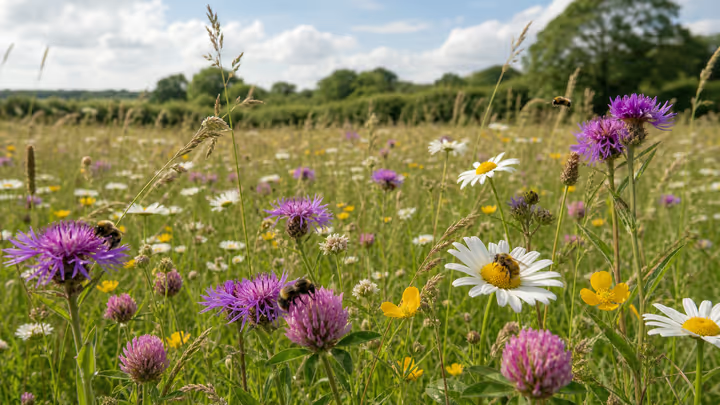
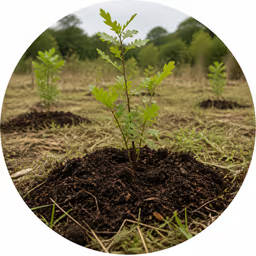
Finished soil can support microorganisms, wildflowers, trees, and restoration work when regulations allow careful stewardship.
End of life planning ecological funerals
What is natural organic reduction?
Human composting is an emerging end-of-life option that transforms the body into nutrient-rich soil through a natural, carefully managed process. Also known as natural organic reduction, it offers a different way to think about death, one rooted in nature, renewal and care for the planet.
Whether you are planning ahead, exploring eco-friendly funeral options, following changes in UK law, or simply interested in how composting can benefit soil, nature and the wider environment, this website is here to guide you gently and clearly.
"In every walk with nature one receives far more than he seeks." - John Muir
Impact
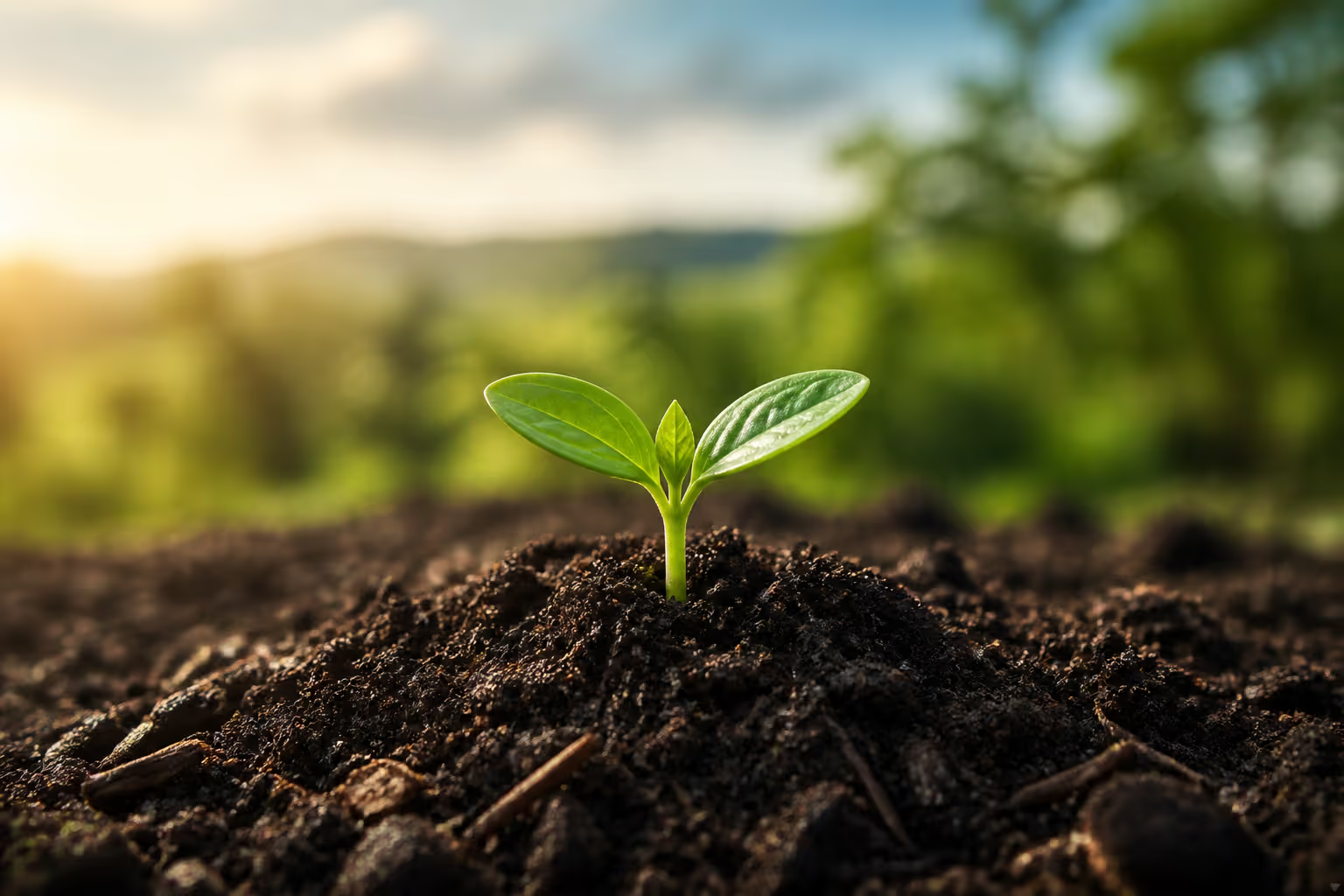
Built around renewal, lower impact, and a closer relationship with place.
Environmental benefits
Returning to the earth is not only a personal choice. It can be part of wider environmental stewardship when handled with care, evidence, and regulation.
Finished soil can support microorganisms, wildflowers, trees, and restoration work when regulations allow careful stewardship.
Natural organic reduction avoids the fuel use of cremation and creates a soil material that can hold carbon in living landscapes.
The process is designed around oxygen, microbes, and organic matter rather than formaldehyde-based preservation.
It reframes end-of-life care around soil health, habitat repair, and long-term responsibility to place.
The process of renewal
The body is placed with natural materials such as woodchip, straw, and alfalfa inside a controlled vessel.
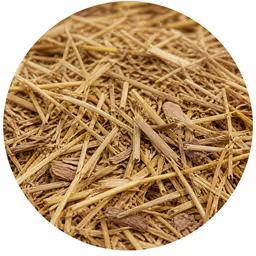
Oxygen, moisture, temperature, and time help microbes break material down through a managed biological process.
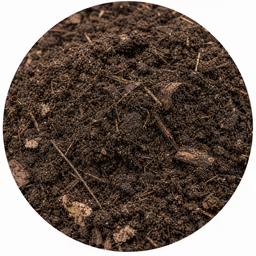
The material is cured, tested, and allowed to stabilize before it can be considered safe for ecological use.
Current legal status
Human composting is not yet available as a mainstream funeral choice in the UK, but momentum is building as the UK Government considers legal changes that could allow new, greener funerary methods in the future.
Follows developments in UK law, government discussion, public opinion and the funeral sector, helping you understand what is currently possible.
UK
Discussions around new funerary methods, environmental impact and end-of-life choice
Articles
Read guides, explainers and updates covering the science, law, ethics, ecology and future of human composting.
Ecological Funerals
A simple introduction to natural organic reduction, the terminology, and how it differs from burial.
Funerals
The safety, testing, land-use, and consumer-protection questions that a future framework must answer.
Ecology & Conservation
How ecological end-of-life choices can connect families, landscapes, and long-term care for place.
Our mission
Our mission is to create the UK’s most helpful, balanced and accessible resource on human composting.
We believe people deserve clear information about greener end-of-life choices. We also believe these conversations can be warm, thoughtful and hopeful, not dark or depressing.
Human composting is about more than funerals. It is about soil, nature, family, legacy, climate, land, grief, choice and our relationship with the earth.
As laws, attitudes and options change, this website will continue to grow as a place for learning, reflection and practical guidance. Sign Up For Our News Letter
Human Composting News Letter